
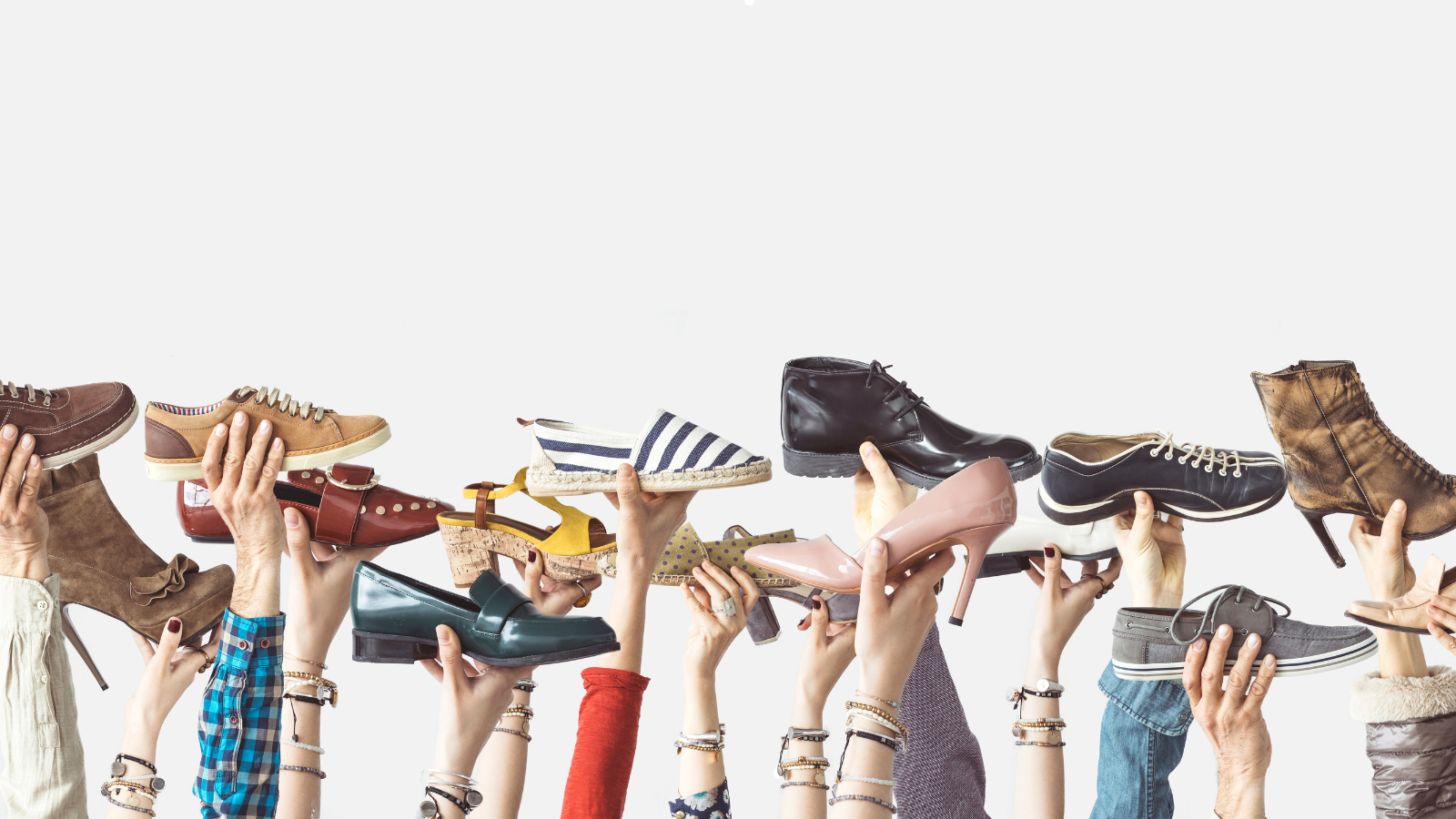
What’s In a Shoe?
January 30, 2026 | Live Your Life PT
Your feet are your foundation. Every step you take affects your ankles, knees, hips, and spine. Shoes that do not offer proper support or traction can throw off your balance, increase fatigue, and make everyday activities riskier, especially for older adults or those with balance concerns.
Proper footwear can:
- Improve stability and confidence while walking
- Reduce slip and fall risk
- Support healthy posture and alignment
- Decrease foot, knee, and back pain
Let’s talk about factors that go into a good shoe!
The Soles: Outer, Middle, and Inner
The bottom of your shoe is made of different layers. A good sole is one that supports your weight and provides comfort. When choosing your sole, consider the following:
- Firmness: A cushy sole may feel good for a short while, but if your weight begins to cause you to sink into the sole, you will feel aches and pains with just a few hours of wear. While a shoe should be comfortable, it should not feel like a marshmallow.
- Torque: Give your shoe a good twist. The easier it is to twist, the less protective the sole is for conditions like overpronation which can lead to plantar fasciitis, tendinitis, and more.
- Arch: Arch support helps distribute pressure evenly across your foot and supports natural alignment. You can even switch out their insoles for additional arch support.
- Heel: Low, wide heels or flat shoes are generally safer than high heels or shoes with excessively thick, unstable soles. A slight heel-to-toe drop can improve walking mechanics, while overly soft or flexible soles may reduce stability.
A proper sole can be especially helpful for individuals with foot pain, arthritis, or balance issues. A well-fitted insole can improve stability and reduce strain throughout the lower body.
Tread and Traction
One of the most important and often overlooked features of a shoe is its tread. Proper traction helps prevent slips on wet, icy, or uneven surfaces. Look for:
- Rubber soles with textured patterns
- Deeper grooves for better grip
- Non-slip or slip-resistant designs
Smooth or worn-down soles increase the risk of slipping, especially on tile, hardwood, or outdoor surfaces. If your tread is starting to wear down, or if you can no longer see the grooves on the bottom, it is time for new shoes.
Fit and Shape
A good shoe should fit securely without being too tight. Foot size continues to change as we age, so be prepared to adjust your size every time you go shoe shopping. When considering the shape of the shoe, make sure of the following:
- Toe box: the front of the shoe should not squish your toes together. A narrow toe box can cause issues like bunions.
- Heel counter: A firm back of the shoe prevents you from slipping out of it. Shoes are supposed to help you prevent falls, not become a slip hazard itself!
- Secure closure: Much like the heel counter, shoes should stay on your feet. Laces are the standard way to secure your shoes, but there are also Velcro and elastic strap options for those with mobility needs.
- Length: You should have about half a finger pad length between the end of the shoe and your longest toe. Remember, feet swell with heat, so it is best to go shoe shopping after doing some activity like a light walk, and wear the socks you will be wearing the shoes with.
With the proper features, your shoe can help keep you stable inside the shoe, reducing fall risk, while keeping your foot healthy and happy.
The Takeaway
What’s in a shoe matters more than style alone. Arch support, insoles, proper fit, and good tread all work together to keep you balanced, confident, and safe on your feet. Choosing the right footwear is a simple but powerful step toward preventing falls and reducing injuries. If you are unsure which shoes are right for you, or if you are experiencing balance issues or foot pain, working with physical therapy can help guide you toward safer, more supportive options.
Your shoes support every step you take. Make sure they are working for you, not against you.
References
- Kim IJ, Hegazy F. Enhancing Footwear Safety for Fall Prevention in Older Adults: A Comprehensive Review of Design Features. Ann Geriatr Med Res. 2024;28(2):121-133. doi:10.4235/agmr.23.0167
- Umar H, Idrees W, Umar W, Khalil A, Rizvi ZA. Impact of routine footwear on foot health: A study on plantar fasciitis. J Family Med Prim Care. 2022;11(7):3851-3855. doi:10.4103/jfmpc.jfmpc_637_21
What makes us different? Our care comes to you!
View Our Service AreaWe Are A Comprehensive Mobile Company Focused on Wellness, Fitness, Rehabilitation, and Prevention
We specialize in transforming the lives of seniors, adults and teenagers with a wide array of diagnoses and conditions in their home or location of choice. You deserve to be your best self through good health and wellness. We would love to have the privilege to work with you or a loved one.
Request a FREE Consultation Today!