
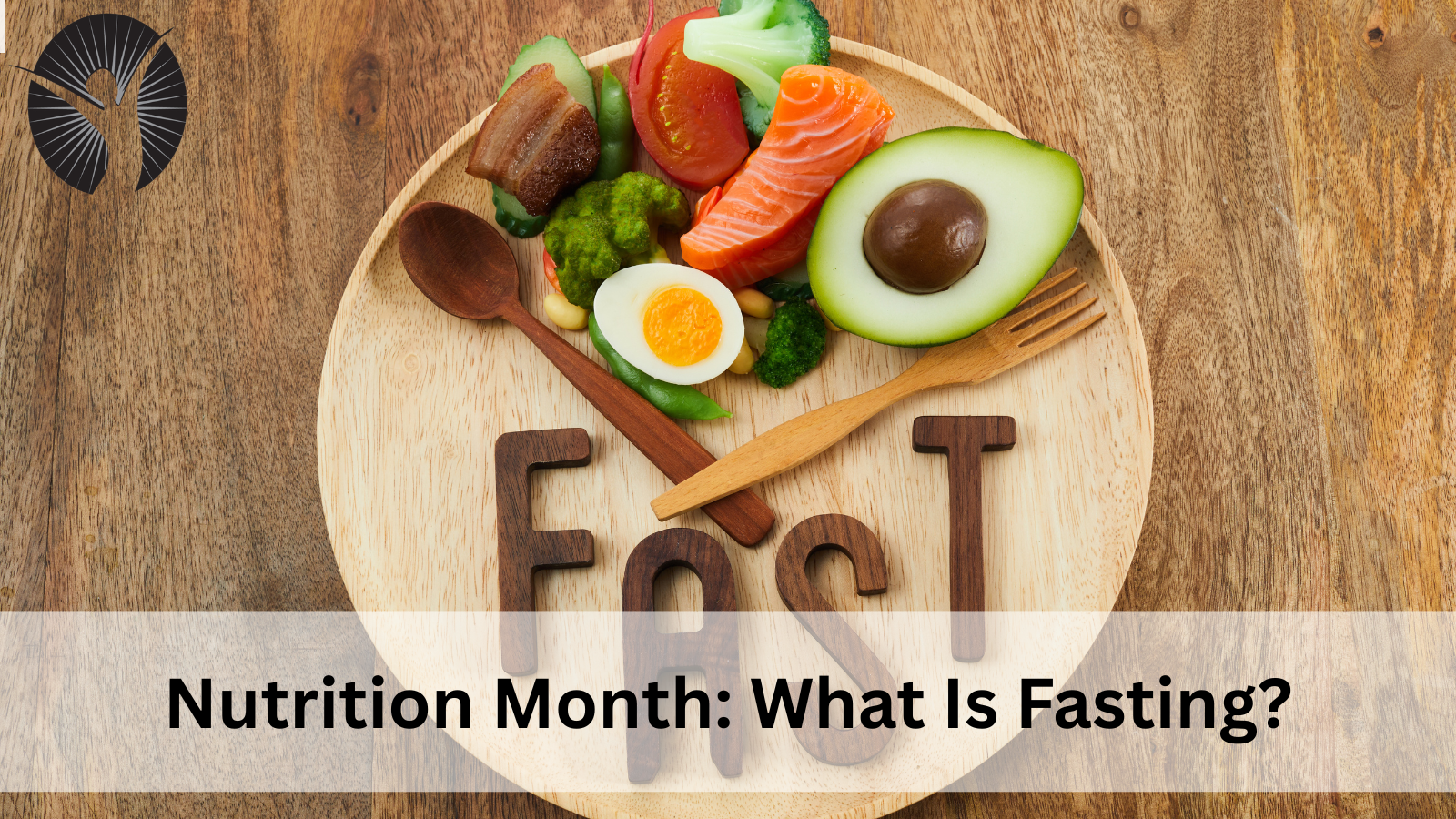
Nutrition Month: What Is Fasting?
March 13, 2026 | Live Your Life PT
March is National Nutrition Month, a great time to explore eating patterns that support overall health and well-being. One topic that often comes up in nutrition conversations is fasting. You may hear about intermittent fasting, religious fasting, or fasting for health reasons, but what does fasting really mean, and is it right for everyone?
What Is Fasting?
Fasting simply means voluntarily going without food for a set period of time. Fasting has been practiced for centuries for cultural, religious, and personal reasons. In recent years, it has gained attention as a potential health strategy when done thoughtfully.
Common Types of Fasting
There are several forms of fasting, each with different structures and goals:
Intermittent Fasting: Alternating periods of eating and fasting, such as the 16:8 method (eating during an 8-hour window and fasting for 16 hours).
Time-Restricted Eating: Limiting food intake to certain hours of the day without intentionally restricting calories.
Religious or Cultural Fasting: Practiced during specific times or events, often for spiritual reflection.
Short-Term or Medical Fasting: Sometimes recommended under professional supervision for specific medical reasons.
Each approach affects the body differently, and not all fasting methods are appropriate for everyone.
Potential Benefits of Fasting
Some people may experience benefits from fasting, including:
- Better portion control
- Increased metabolic health
- Reduce inflammation
- Manage blood pressure and heart conditions
It is important to note that research is ongoing, and benefits can vary based on the individual and the fasting method used.
Possible Risks and Considerations
Fasting is not a one-size-fits-all approach. Potential concerns may include:
- Difficulty meeting nutritional needs
- Increased irritability or fatigue
- Dizziness or dehydration
Fasting may not be appropriate for individuals who are pregnant, managing certain medical conditions, recovering from injury, or those with a history of eating disorders.
Is Fasting Right for You?
Whether fasting is beneficial depends on your health history, lifestyle, goals, and preferences. Some people thrive with structured eating windows, while others feel better with consistent meals throughout the day. The best nutrition plan is one that supports your body, energy levels, and long-term health.
Before starting any fasting routine, consider speaking with a registered dietitian, healthcare provider, or wellness professional. Personalized guidance can help ensure your nutrition supports your health, activity level, and recovery needs.
Resources
- Visioli F, Mucignat-Caretta C, Anile F, Panaite SA. Traditional and Medical Applications of Fasting. Nutrients. 2022;14(3):433. Published 2022 Jan 19. doi:10.3390/nu14030433
- Chen YE, Tsai HL, Tu YK, Chen LW. Effects of different types of intermittent fasting on metabolic outcomes: an umbrella review and network meta-analysis. BMC Med. 2024;22(1):529. Published 2024 Nov 13. doi:10.1186/s12916-024-03716-1
- Mackieh R, Al-Bakkar N, Kfoury M, et al. Unlocking the Benefits of Fasting: A Review of its Impact on Various Biological Systems and Human Health. Curr Med Chem. 2024;31(14):1781-1803. doi:10.2174/0109298673275492231121062033
What makes us different? Our care comes to you!
View Our Service AreaWe Are A Comprehensive Mobile Company Focused on Wellness, Fitness, Rehabilitation, and Prevention
We specialize in transforming the lives of seniors, adults and teenagers with a wide array of diagnoses and conditions in their home or location of choice. You deserve to be your best self through good health and wellness. We would love to have the privilege to work with you or a loved one.
Request a FREE Consultation Today!