
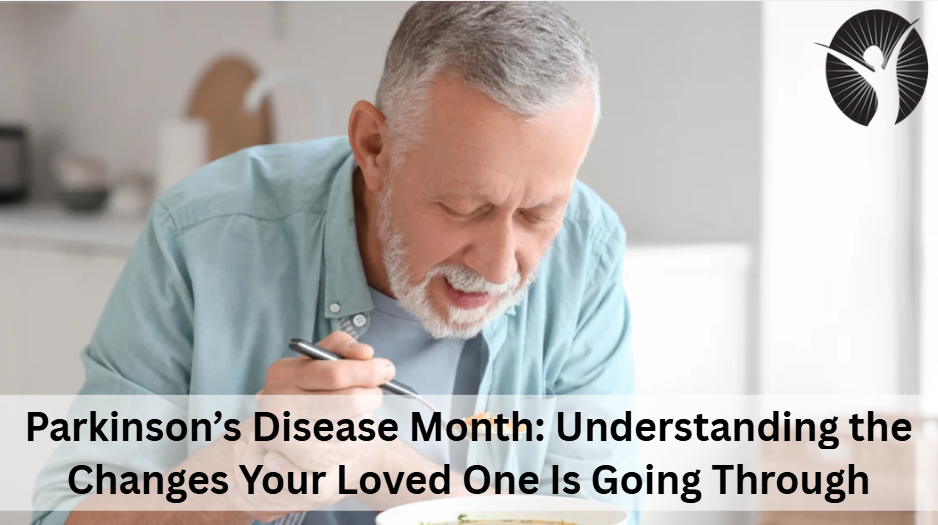
Parkinson’s Disease Month: Understanding the Changes Your Loved One Is Going Through
April 10, 2026 | Live Your Life PT
April is Parkinson’s Disease Awareness Month, a time to increase understanding of this neurological condition and support those living with it and the families who care for them. If someone you love has been diagnosed with Parkinson’s disease, you may notice changes in their movement, behavior, or daily routines. Understanding what they may be experiencing can help you provide patience, encouragement, and meaningful support.
What Is Parkinson’s Disease?
Parkinson’s disease is a progressive neurological condition that affects the brain’s ability to control movement. It occurs when the brain’s supply of a chemical called dopamine gradually declines. As dopamine levels decrease, individuals may begin to experience changes in movement, coordination, and other bodily functions.
While Parkinson’s affects everyone differently, symptoms tend to develop gradually and progress over time.
Common Physical Changes
Many of the most recognizable symptoms of Parkinson’s involve movement. You or your loved one may experience:
- Tremors, often starting in the hands or fingers
- Muscle stiffness or rigidity
- Slower movements (bradykinesia)
- Changes in balance or posture
- Shuffling or smaller steps while walking
These physical changes can make everyday activities more difficult and may increase the risk of falls.
Changes in Facial Expression and Voice
Parkinson’s can affect facial muscles and vocal strength. As a result, your loved one may:
- Have reduced facial expression, sometimes called “masked face”
- Speak more softly than before
- Experience changes in speech clarity
It’s important to remember these changes are related to the condition, not a lack of emotion or care.
Why Everyday Tasks May Become More Difficult
Simple activities that once required little thought, such as getting dressed, cooking, or writing, may take more time or effort. This can be frustrating for someone who is used to being independent.
Physical therapy, occupational therapy, and speech therapy can all help individuals develop strategies to maintain independence and adapt to these challenges.
How You Can Support Your Loved One
Supporting someone with Parkinson’s involves patience, understanding, and encouragement. Small gestures of understanding can make a big difference. You can help by:
- Being patient with movement and communication changes
- Encouraging regular exercise, which can improve mobility and balance
- Supporting therapy programs recommended by healthcare professionals
- Helping create a safe home environment to reduce fall risk
Moving Forward Together
A Parkinson’s diagnosis affects not only the individual but also the people who care about them. Learning about the condition helps families approach challenges with compassion and realistic expectations. With the right support, therapies, and lifestyle adjustments, many people with Parkinson’s continue to lead meaningful, active lives.
Parkinson’s Disease Awareness Month reminds us that understanding, patience, and support can make a powerful difference for those living with the condition and for the loved ones walking alongside them.
Resources
- Mayo Clinic. Parkinson’s Disease. Mayo Clinic. Published September 27, 2024. https://www.mayoclinic.org/diseases-conditions/parkinsons-disease/symptoms-causes/syc-20376055
What makes us different? Our care comes to you!
View Our Service AreaWe Are A Comprehensive Mobile Company Focused on Wellness, Fitness, Rehabilitation, and Prevention
We specialize in transforming the lives of seniors, adults and teenagers with a wide array of diagnoses and conditions in their home or location of choice. You deserve to be your best self through good health and wellness. We would love to have the privilege to work with you or a loved one.
Request a FREE Consultation Today!