
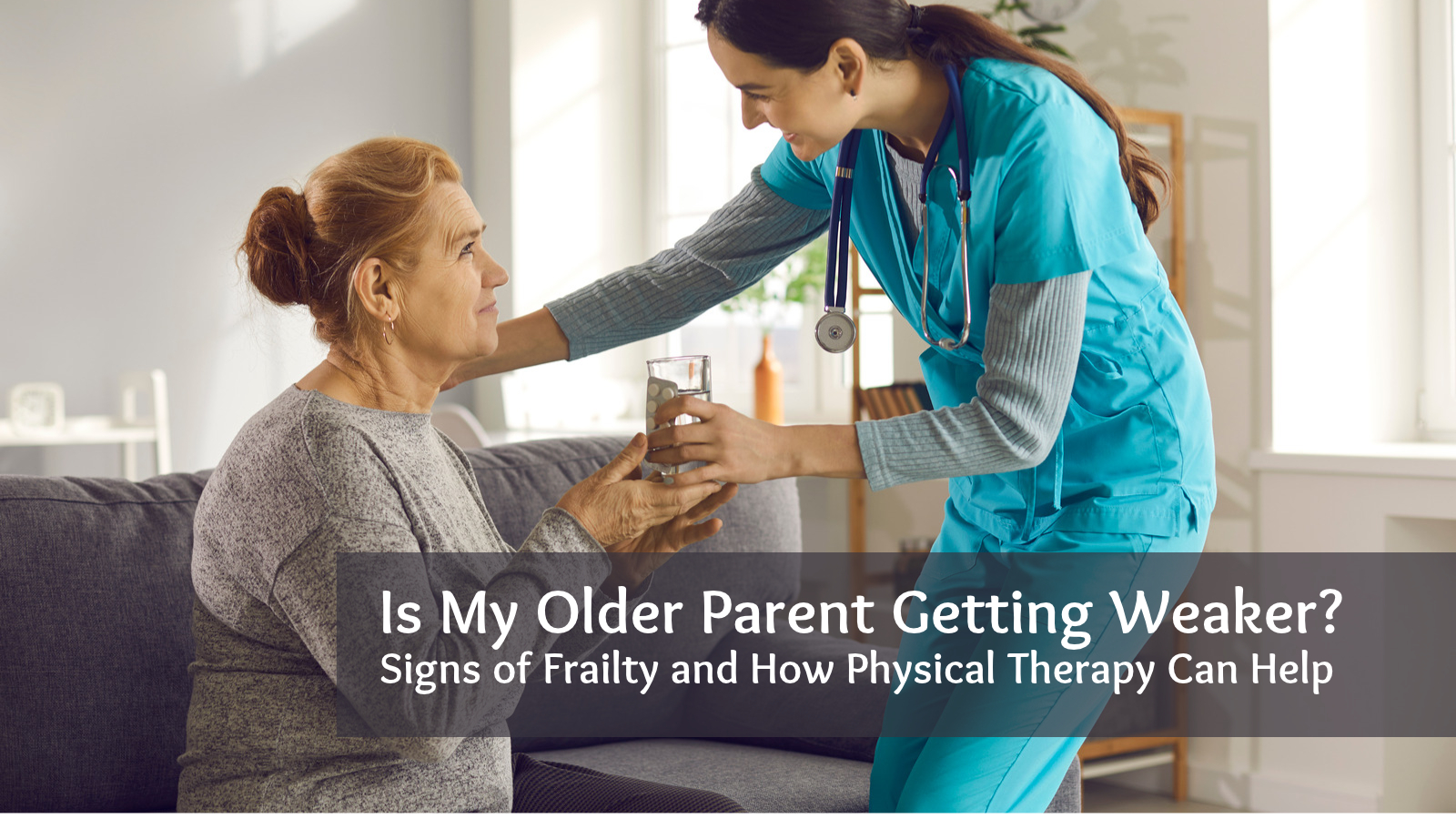
Is My Older Parent Getting Weaker? Signs of Frailty and How Physical Therapy Can Help
November 10, 2023 | Live Your Life PT
By Live Your Life PT
Originally published November 10, 2023. Updated November 20, 2026.
Quick Answer
Frailty is more than getting older. It is a decline in physical reserve that can make illness, injury or stress harder to recover from. Warning signs may include unintentional weight loss, persistent exhaustion, weakness, slower walking and reduced activity.
A medical evaluation can identify health concerns that may be contributing to these changes. Physical therapy may help improve strength, walking, balance and the ability to complete daily activities safely.
When a Holiday Visit Reveals a Change
Families do not always notice gradual changes over the phone. An in-person visit may reveal that a parent needs both hands to rise from a chair, avoids the stairs, walks more slowly, holds onto furniture or has stopped doing activities that once felt routine.
One change does not mean a person is frail. Pain, illness, medication effects, poor nutrition, depression and many other conditions can affect energy and movement. The pattern matters. When several changes appear together or continue over time, an evaluation can help determine what is happening and what support may be appropriate.
What is Frailty?
Frailty is a clinical syndrome associated with decreased strength and physical reserve. It is related to aging, but it is not inevitable and is not the same as disability or having a chronic condition. People can have multiple health conditions without being frail, and a person with frailty may still live independently.
One widely used model is the Fried frailty phenotype. It identifies five characteristics: unintentional weight loss, exhaustion, weakness, slow walking speed and low physical activity. In that model, three or more characteristics indicate frailty, while one or two indicate an intermediate stage often called prefrailty.[1] Only a qualified healthcare professional should assess or diagnose frailty.
Five Signs That Deserve Attention
1. Unintentional weight loss. Losing 10 pounds or at least 5% of body weight within a year without trying is one criterion used in the Fried model. Unplanned weight loss should be discussed with a medical provider because it can have many causes.
2. Persistent exhaustion. Ongoing fatigue can make cooking, bathing, shopping and social activities feel harder. New or significant fatigue also warrants medical evaluation, especially when it occurs with shortness of breath, chest discomfort, dizziness or other new symptoms.
3. Increasing weakness. A person may have more difficulty standing from a chair, climbing steps, carrying groceries or opening containers. Grip strength is one clinical measure, but changes in everyday function may be what a family notices first.
4. Slower walking. Walking speed can provide useful information about mobility and health. Watch for a noticeably slower pace, shorter steps, frequent stops or greater difficulty keeping up during familiar outings.
5. Lower activity. A person may stop walking, doing household tasks or attending activities because movement feels tiring, painful or unsafe. Reduced activity can then contribute to additional loss of strength and endurance.
Changes Families May Notice at Home
- Using furniture, walls or another person for support while walking
- Needing several attempts or both arms to stand from a chair
- Avoiding stairs, showers, errands or community activities
- Taking longer to dress, prepare meals or move between rooms
- Having recent falls, near falls or a growing fear of falling
- Appearing unusually tired or less engaged in normal routines
- Losing weight or having less interest in food
Sudden weakness, a sudden change in walking, facial drooping, difficulty speaking, chest pain, severe shortness of breath or a new loss of consciousness requires urgent medical attention. Gradual changes should still be shared with the person’s healthcare provider so medical, medication and nutrition-related causes can be considered.
How Physical Therapy May Help
Frailty usually requires more than a generic exercise handout. Clinical guidance recommends a comprehensive assessment and coordinated care plan.[2] When safe for the individual, that plan often includes multiple forms of physical activity and resistance training.
Research suggests that exercise may improve walking speed, chair-rise performance and overall function in older adults with physical frailty.[3] However, benefits vary by person and study.
Based on the individual evaluation, a physical therapist may:[4]
- Assess walking, balance, strength, endurance and the ability to complete daily movements
- Develop an individualized exercise plan and progress it at an appropriate pace
- Practice standing, stair climbing, transfers and other tasks that matter to the client
- Recommend and teach the safe use of a cane, walker or other mobility device when appropriate
- Identify home barriers and suggest changes that support safer movement
- Teach family members safer ways to assist with mobility, with the client’s consent
Physical therapy does not replace medical care, nutrition support or other services that may be needed. It can be one part of a coordinated plan focused on helping the person maintain or improve the abilities that matter most to daily life.
Why an In-Home Evaluation Can Be Useful
A clinic cannot show every challenge a person faces at home. During an in-home visit, a therapist can observe the chair that is difficult to leave, the steps at the entrance, the route to the bathroom and the way a walker fits through familiar spaces. The evaluation connects strength and balance findings to real activities instead of a simulated setting.
That information can help the therapist create a plan around the client’s goals, whether the priority is walking to the mailbox, preparing meals, attending a family event or moving through the home with less assistance.
When to Request an Evaluation
Consider asking for guidance when an older adult is moving less, becoming weaker, experiencing falls or near falls, needing more help with daily activities or losing confidence in movement. Earlier attention may provide more options for addressing modifiable concerns before a minor limitation becomes a larger barrier.
Live Your Life provides mobile in-home physical therapy in Minnesota and concierge physical therapy in South Florida. Our therapists can evaluate movement in the client’s own environment and develop an individualized plan focused on strength, mobility, safety and meaningful daily goals.
If you have noticed changes in yourself or someone you love, request an in-home physical therapy evaluation.
Frequently Asked Questions
Is Frailty a Normal Part of Aging?
No. Strength, muscle mass and activity can change with age, but frailty is a clinical condition rather than an inevitable stage of aging. New or progressive changes should be evaluated instead of dismissed as “just getting older.”
Can Frailty Be Reversed?
Some people improve their frailty status or physical function with appropriate exercise, nutrition support and treatment of contributing conditions. Results depend on the person’s health, the causes of the decline and how advanced it is. It is more accurate to say that frailty may be improved or managed than to promise that it is fully reversible.
Can Physical Therapy Help an Older Adult Who Is Very Weak?
A physical therapist can evaluate the person’s current abilities, medical precautions and goals before recommending exercise. Treatment can be adapted for someone who needs substantial assistance, but a medical assessment may also be necessary when weakness is new, severe or rapidly worsening.
What Should I Do If I Notice Unintentional Weight Loss?
Contact the person’s medical provider. Unintentional weight loss can result from medical, dental, medication, nutrition, mood and social factors. A physical therapist may address mobility and activity limitations, but weight loss itself requires broader assessment.
References
What makes us different? Our care comes to you!
View Our Service AreaWe Are A Comprehensive Mobile Company Focused on Wellness, Fitness, Rehabilitation, and Prevention
We specialize in transforming the lives of seniors, adults and teenagers with a wide array of diagnoses and conditions in their home or location of choice. You deserve to be your best self through good health and wellness. We would love to have the privilege to work with you or a loved one.
Request a FREE Consultation Today!