
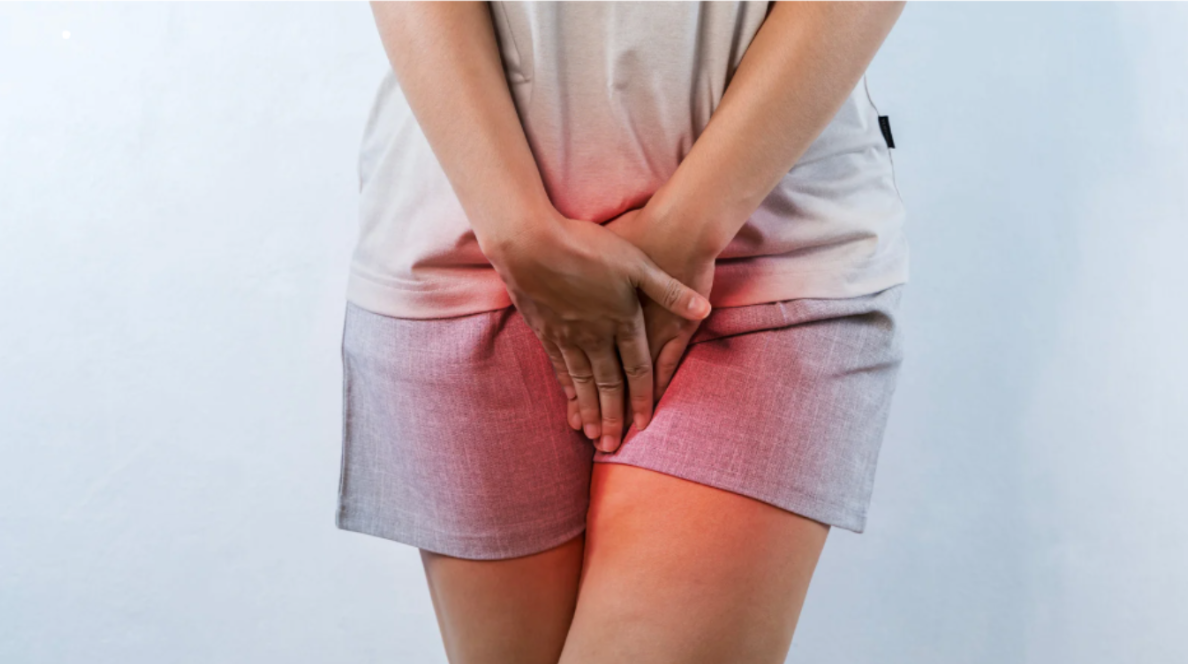
Overactive vs. Underactive Pelvic Floor: Understanding the Difference
January 16, 2026 | Live Your Life PT
When most people hear “pelvic floor issues,” they automatically think of someone leaking when they laugh or cough. You might think this is caused by muscles that are too weak to hold back urine, but not all pelvic floor problems are from muscles that need to be strengthened. Sometimes, those muscles are actually working too hard. Understanding the difference between an overactive and underactive pelvic floor can help you or someone you care for get the right treatment and finally find relief.
What is the Pelvic Floor?
To understand the difference between an overactive and underactive pelvic floor, let’s first understand what a pelvic floor even is.
Your pelvic floor is a group of muscles, ligaments, and connective tissue that support your bladder, uterus, or prostate, and rectum. They cover the bottom of your pelvic bones to support all those structures. These muscles play a vital role in controlling urination, bowel movements, sexual function, and even posture and balance. Like other muscles in the body, the pelvic floor can become too tight or too weak. In fact, they can even become both too tight and weak. All these situations can cause dysfunctions, including leaks and pain.
An Overactive Pelvic Floor: When Muscles Can’t Relax
An overactive pelvic floor (sometimes called a hypertonic pelvic floor) happens when the muscles stay contracted and have difficulty relaxing.
Common signs of overactivity include:
- Pain or pressure in the bladder region
- Pain during peeing or pooping
- Difficulty starting or fully emptying the bladder
- Constipation
- Urinary urgency or frequency
- Pain during or after sex
- Erectile dysfunction or pain with erection
When the muscles stay “on” all the time, they become tense and fatigued. Imagine holding a bicep curl all day; your arm would be very painful too! The result of an overactive pelvic floor is pain, poor coordination, and sometimes even weakness due to muscle overuse.
An Underactive Pelvic Floor: When Muscles Need More Support
An underactive pelvic floor (or hypotonic pelvic floor) means the muscles are too relaxed or weak to provide proper support and control.
Common signs of underactivity include:
- Leaking urine when you cough, laugh, or exercise (stress incontinence)
- A feeling of heaviness or like things are “falling out” in the pelvic area
- Difficulty evacuating a bowel movement
- Reduced or painful sexual sensation
- Unexplained poor core stability or lower back pain
Weak pelvic floor muscles can result from childbirth, aging, surgery, inactivity, or chronic straining with bowel movements.
What to Do From Here?
If one or both of these conditions speak to you, it is time to consult physical therapy. A physical therapist who specializes in pelvic floor dysfunctions can assess muscle tone, strength, and coordination of your pelvic floor muscles and pin down the root cause of your pain or problems. They can then teach you how to properly contract and relax the muscles. Unlike “just doing Kegels,” pelvic floor therapy focuses on helping your muscles function optimally, not just on making them stronger.
If you are experiencing any of the symptoms above, you do not have to live with them. Pelvic floor physical therapy can help you regain control, comfort, and confidence!
References
- Hypertonic Pelvic Floor: Symptoms, Causes & Treatment. Cleveland Clinic. https://my.clevelandclinic.org/health/diseases/22870-hypertonic-pelvic-floor
- Cleveland Clinic. Pelvic Floor Dysfunction | Cleveland Clinic. Cleveland Clinic. Published 2017. https://my.clevelandclinic.org/health/diseases/14459-pelvic-floor-dysfunction
What makes us different? Our care comes to you!
View Our Service AreaWe Are A Comprehensive Mobile Company Focused on Wellness, Fitness, Rehabilitation, and Prevention
We specialize in transforming the lives of seniors, adults and teenagers with a wide array of diagnoses and conditions in their home or location of choice. You deserve to be your best self through good health and wellness. We would love to have the privilege to work with you or a loved one.
Request a FREE Consultation Today!